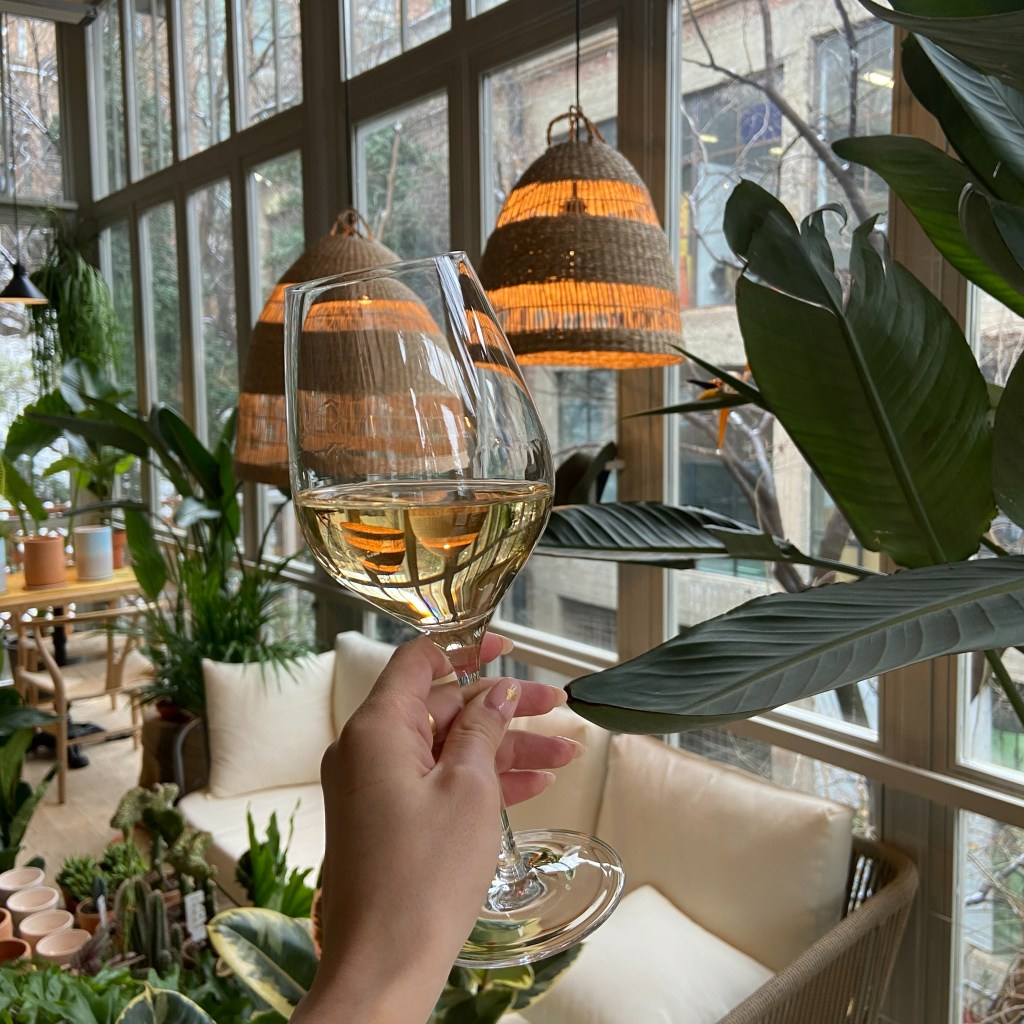
Do you find yourself at social gatherings, feeling lost when the conversation veers towards wine? Fear not! In this blog post, we’ll unveil the secrets to talking wine like a true connoisseur, even if you’re a novice. From the lingo to the tasting techniques, we’ll equip you with the knowledge and confidence to navigate the world of wine conversation like a seasoned pro. So, let’s raise our glasses and dive into the art of wine speak!
1 Brush Up on the Basics
To converse like a wine pro, start by familiarizing yourself with the fundamentals. Understand the major grape varieties, such as Cabernet Sauvignon, Chardonnay, and Pinot Noir. Know the key wine regions and their unique characteristics, like the boldness of Napa Valley or the elegance of Burgundy. This foundational knowledge will provide a solid platform for your wine discussions.
The four main types of wine are red wine, white wine, rosé wine, and sparkling wine. Here’s a brief overview of each type:
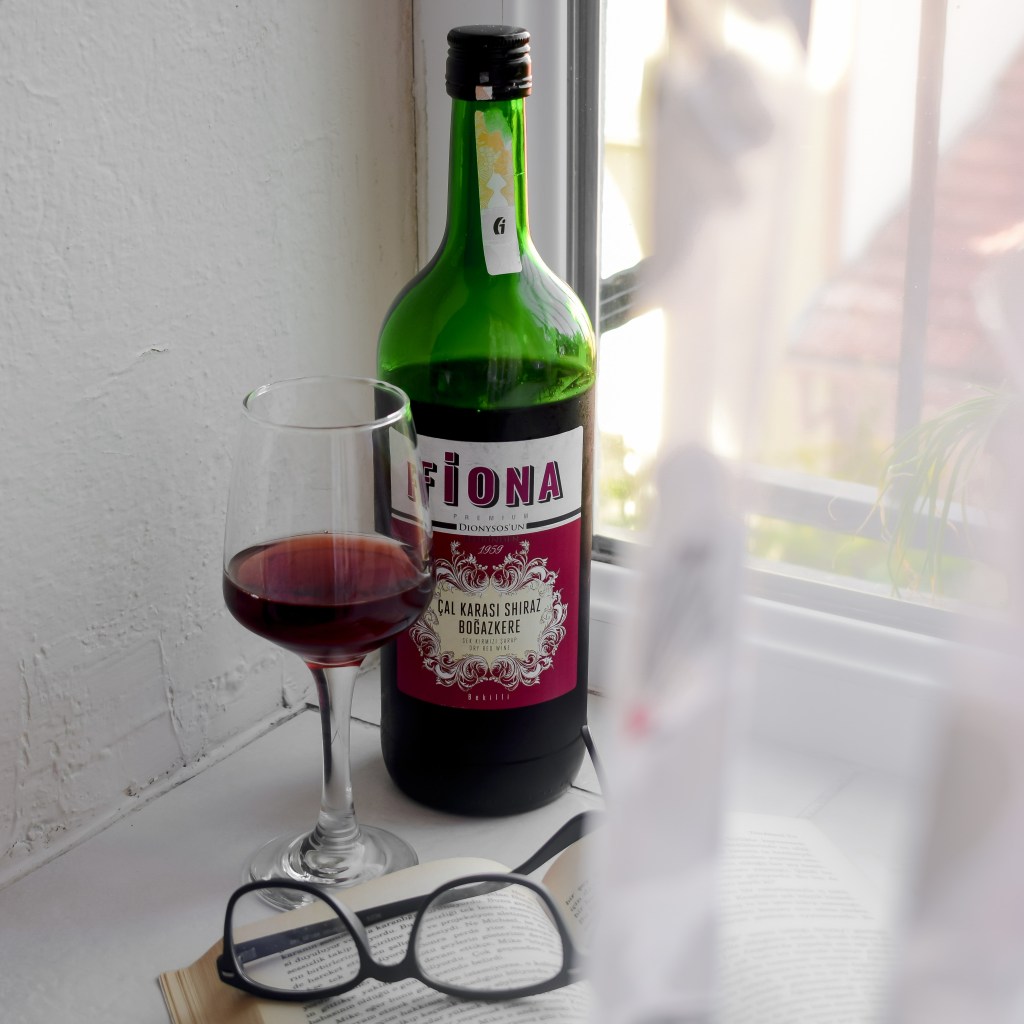
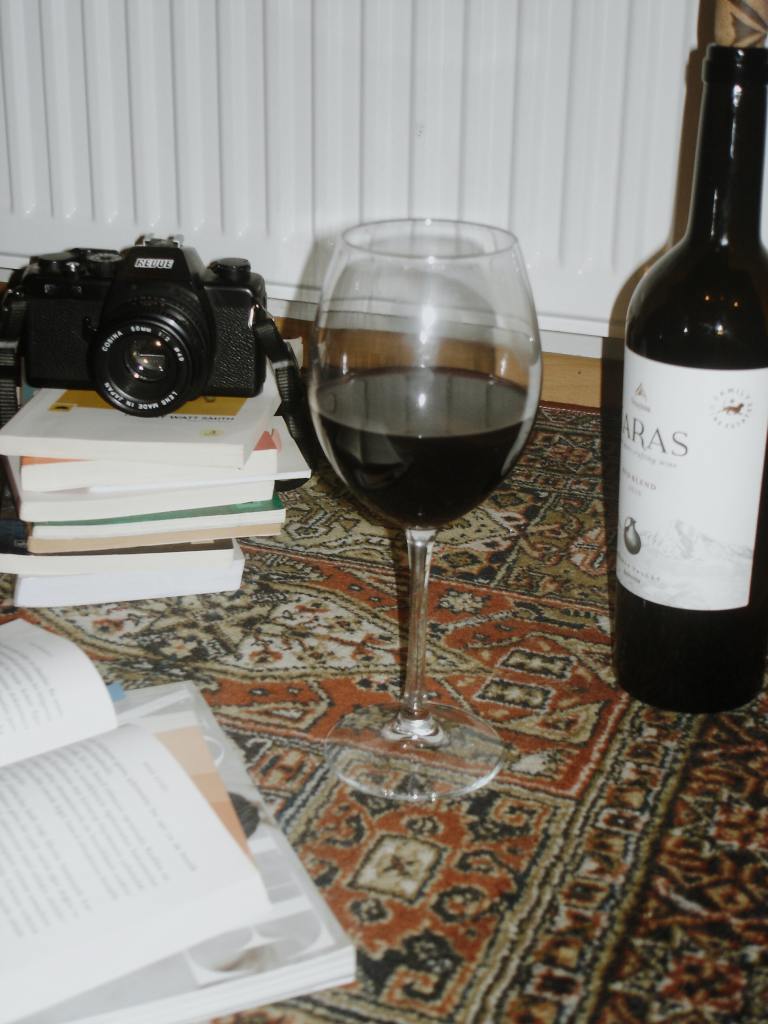
- Red Wine: Red wine is made from dark-colored grapes, and the color comes from the grape skins being left in contact with the grape juice during fermentation. Red wines can range in flavor from light and fruity to bold and complex. They often have notes of red or black fruits, spices, and earthy undertones. Some popular red wine varieties include Cabernet Sauvignon, Merlot, Pinot Noir, Syrah/Shiraz, and Zinfandel.
- White Wine: White wine is made from light-colored grapes, and the juice is typically fermented without the grape skins. White wines can vary from crisp and light-bodied to full and creamy. They often have flavors of citrus, green apple, pear, and tropical fruits. Popular white wine varieties include Chardonnay, Sauvignon Blanc, Riesling, Pinot Grigio/Pinot Gris, and Gewürztraminer.
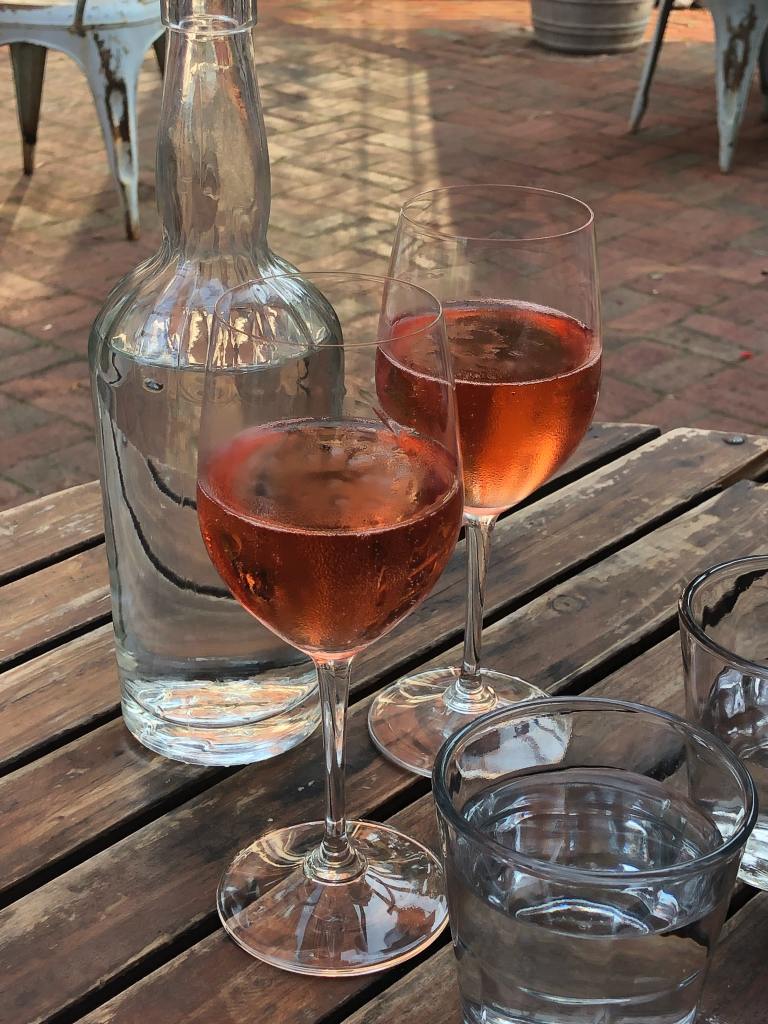
- Rosé Wine: Rosé wine has a pink or blush color and is made from red grapes. The skins are left in contact with the grape juice for a short period, giving the wine its distinct color. Rosé wines can range from bone-dry to slightly sweet, and they are known for their refreshing and fruity flavors. They often have notes of strawberries, watermelon, and floral undertones. Popular rosé wine varieties include Grenache, Syrah/Shiraz, and Sangiovese.
- Sparkling Wine: Sparkling wine is known for its bubbles and effervescence. It can be made using either red or white grapes, and the bubbles are created through a secondary fermentation process. Sparkling wines can vary in sweetness levels, from bone-dry (Brut) to slightly sweet (Demi-Sec). They offer a range of flavors and can be enjoyed as an aperitif or for celebrations. Champagne, Prosecco, and Cava are some of the well-known sparkling wine varieties.
The three largest wine regions in the world are located in Europe & the US. Here is an overview of each:
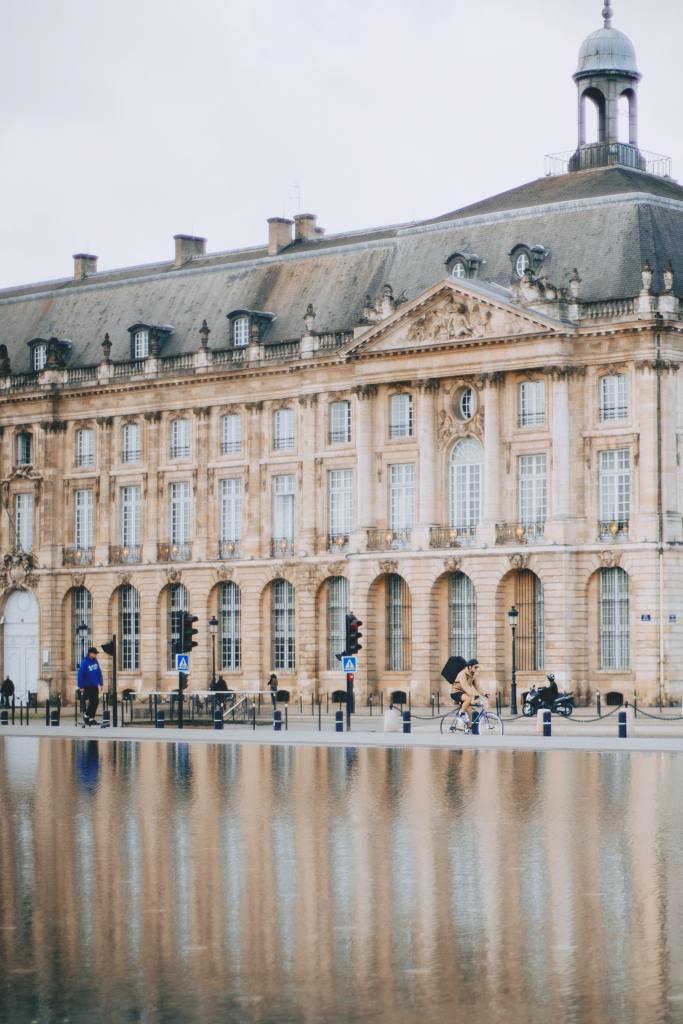
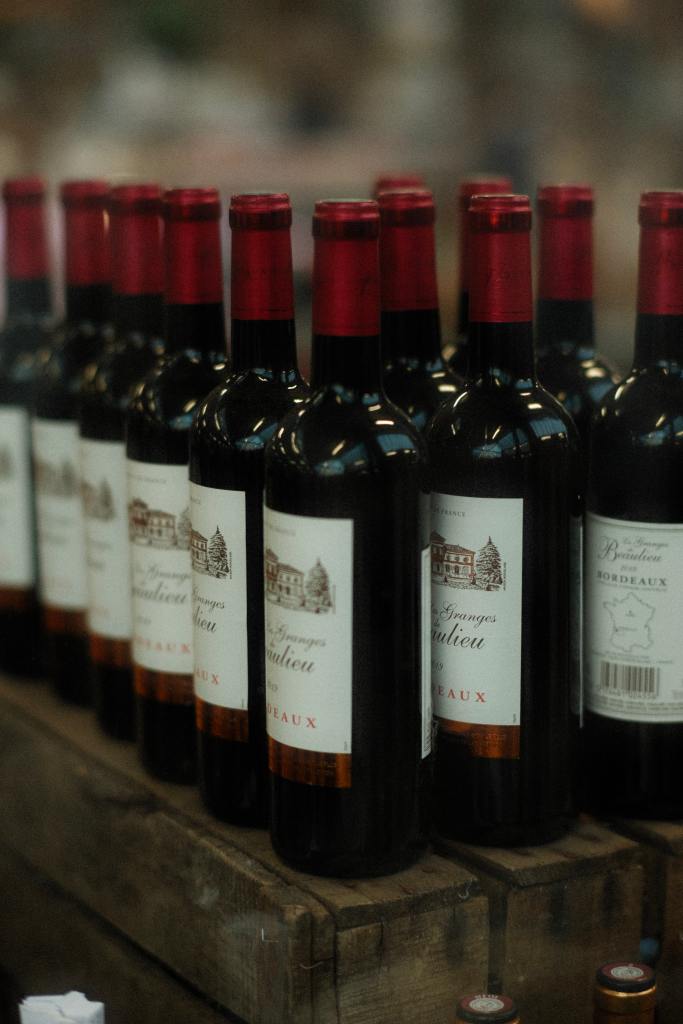
- Bordeaux, France: Bordeaux is revered as one of the world’s most prestigious wine regions, known for producing exceptional red blends made primarily from Cabernet Sauvignon and Merlot grapes. Its wines are often characterized by their complexity, elegance, and notes of black fruits, cedar, and earth, making Bordeaux a true symbol of fine winemaking tradition.
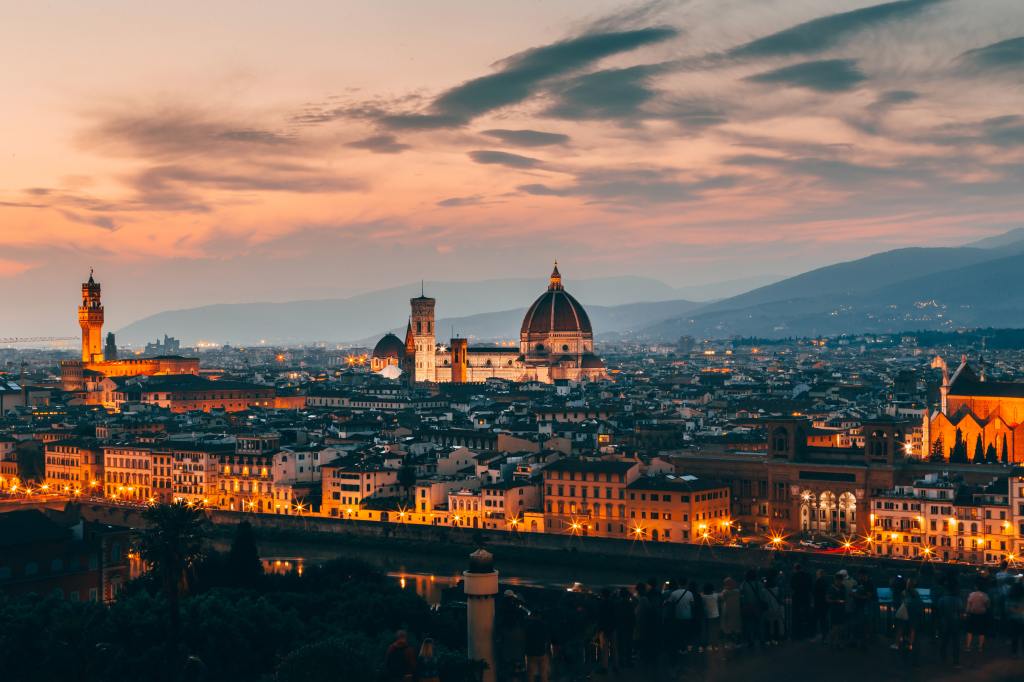
- Tuscany, Italy: Tuscany, home to the iconic Chianti Classico, Brunello di Montalcino, and Super Tuscans, is a region that embodies the essence of Italian wine. Its picturesque landscapes, rolling hills, and rich history contribute to the production of outstanding Sangiovese-based wines that offer a harmonious balance of ripe cherry flavors, herbs, and velvety tannins.
- Napa Valley, United States: Napa Valley, situated in California, is synonymous with exceptional quality wines, particularly its Cabernet Sauvignon. With its ideal Mediterranean climate, diverse terroir, and meticulous winemaking techniques, Napa Valley produces bold, opulent wines that showcase ripe black fruit flavors, structured tannins, and hints of vanilla and chocolate, firmly establishing it as a premier wine region on the global stage.

2 Expand Your Vocabulary
The lexicon of wine can be as complex as the flavors themselves. To sound like a pro, incorporate descriptive terms into your vocabulary. For example, instead of saying a wine tastes “good,” use terms like “full-bodied,” “velvety,” or “crisp.” Experiment with words that describe aromas, such as “earthy,” “fruity,” or “floral.” The more specific and vivid your descriptions, the more impressed your wine-loving companions will be.
Describing wine involves using a combination of visual, olfactory, and gustatory observations to capture its characteristics. Here are some key elements to consider when describing wine:
- Appearance: Observe the wine’s color, clarity, and intensity. Note whether it is pale or deep, clear or hazy, and the vibrancy of its hue, which can range from straw yellow to ruby red or even inky purple for red wines.
- Aroma: Swirl the wine gently in the glass to release its aromas. Put your nose into the glass and inhale. Pay attention to the various scents present. Describe the primary aromas, such as fruit (e.g., citrus, berries), floral notes, herbs, spices, or even earthy or woody undertones.
- Taste: Take a small sip and let the wine coat your entire palate. Consider the following elements:
- Sweetness – Assess whether the wine tastes dry (little to no perceived sweetness) or slightly sweet.
- Acidity – Note the level of acidity, which can range from low (soft) to high (crisp or sharp).
- Body – Describe the weight and texture of the wine, ranging from light-bodied (e.g., water-like) to medium-bodied (e.g., milk-like) to full-bodied (e.g., heavy and rich).
- Tannins – For red wines, evaluate the presence and impact of tannins, which create a drying or grippy sensation in the mouth. They can range from soft and velvety to firm and astringent.
- Flavor – Identify the primary flavors, which can include fruits, spices, herbs, earthiness, or even nuances of oak from barrel aging. Consider the intensity and complexity of the flavors.
- Finish: Note the length and quality of the wine’s finish. A long finish means the flavors linger on the palate after swallowing, while a short finish dissipates quickly. Pay attention to any additional flavors or sensations that arise during the finish.
- Language and Comparisons: Use descriptive language to articulate your observations. Consider metaphors or comparisons that come to mind when trying to express the wine’s characteristics. For example, you may describe a wine as having “bright acidity like freshly squeezed lemon” or “velvety tannins akin to smooth dark chocolate.”
Remember, describing wine is subjective, and everyone’s palate and vocabulary may differ. With practice, you’ll develop your own unique way of expressing the intricacies and delights of wine.
3 Master the Art of Tasting
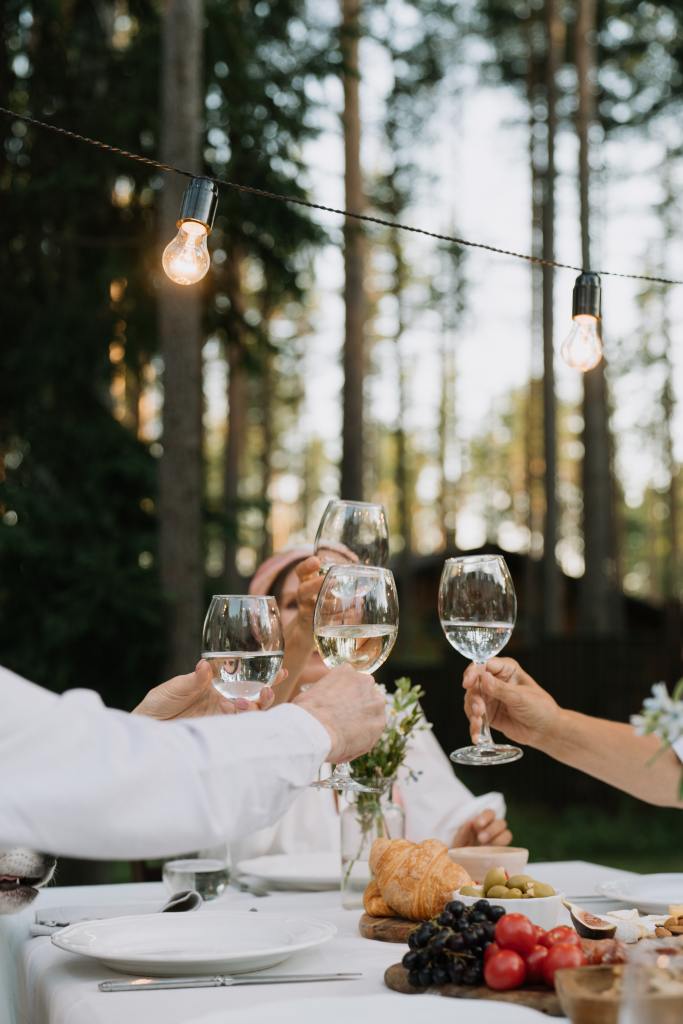
Talking like a wine pro goes beyond mere words—it’s about understanding the sensory experience. Practice the art of wine tasting by engaging all your senses. Observe the wine’s appearance—its color, clarity, and viscosity. Inhale deeply to capture the aromas. Take a small sip and let the flavors dance on your palate. Comment on the wine’s structure, acidity, and finish. Sharing your tasting impressions will showcase your expertise and elevate the conversation.
4 Tell Tales of Terroir
Terroir, the concept that a wine’s flavor is influenced by its geographical origin, is the darling of wine aficionados. When discussing wine, delve into the terroir tales. Share stories of the vineyard’s soil composition, the climate, and how they affect the wine’s characteristics. Unleash your inner storyteller, and watch your listeners hang on to your every word. Remember, a good wine conversation is as much about the narrative as it is about the liquid in the glass.
5 Embrace Food Pairing Wizardry
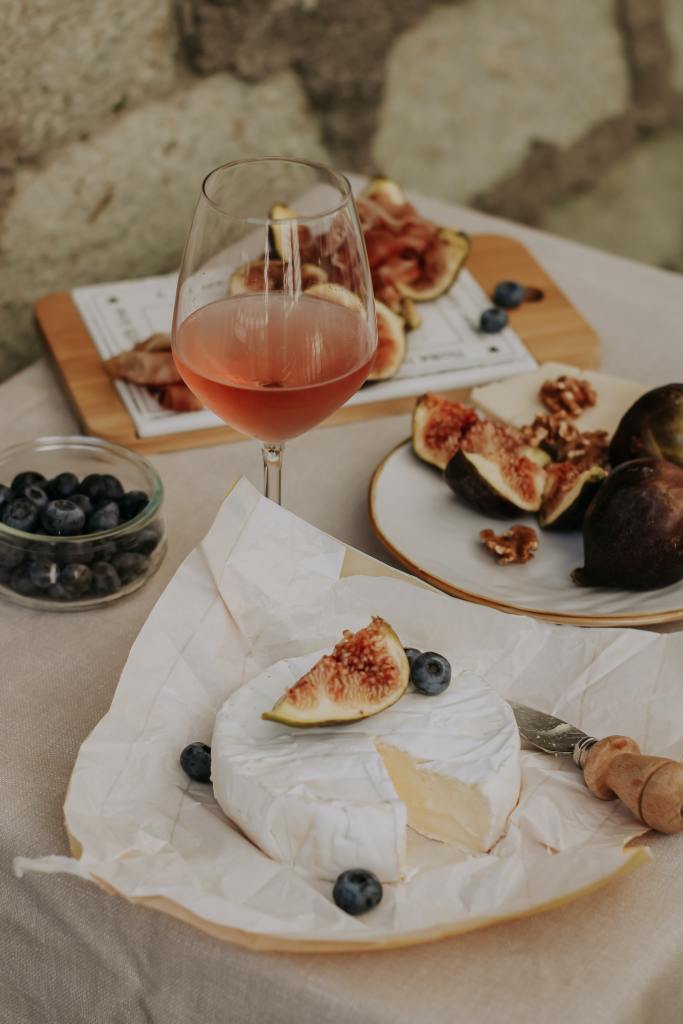
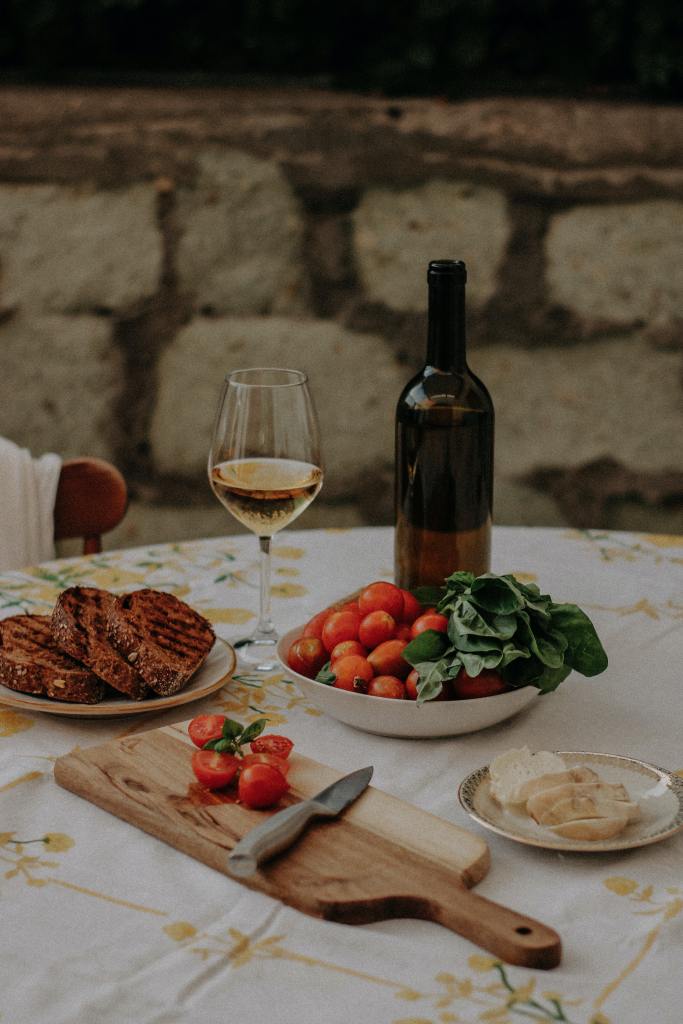
Pairing wine with food is a delightful dance of flavors. To talk like a pro, familiarize yourself with classic pairings and experiment with your own combinations. Discuss the way certain wines complement or contrast with various dishes. Share insights into why a crisp Sauvignon Blanc pairs perfectly with fresh seafood or why a robust red like Syrah enhances the flavors of a juicy steak. Becoming a food pairing wizard will impress your fellow wine enthusiasts.
When it comes to wine and food pairings, the possibilities are endless. However, here are five classic and highly recommended wine and food pairings to consider:
- Cabernet Sauvignon and Grilled Steak: The rich and bold flavors of a Cabernet Sauvignon complement the juicy and flavorful nature of a perfectly grilled steak. The wine’s tannins and acidity cut through the richness of the meat, creating a harmonious pairing.
- Chardonnay and Roasted Chicken: Chardonnay, especially an oaked or buttery style, pairs beautifully with roasted or grilled chicken. The wine’s creamy texture and flavors of tropical fruits and vanilla complement the savory, tender meat.
- Pinot Noir and Salmon: Pinot Noir’s lighter body, delicate flavors of red berries, and earthy undertones make it an ideal match for salmon. The wine’s acidity balances the fish’s richness, while the fruit flavors enhance the natural flavors of the salmon.
- Sauvignon Blanc and Goat Cheese Salad: The crisp acidity and vibrant citrus flavors of Sauvignon Blanc cut through the creamy and tangy flavors of goat cheese. Enjoy this pairing in a fresh salad with mixed greens, herbs, and a citrus vinaigrette.
- Sparkling Wine and Oysters: The effervescence, acidity, and minerality of sparkling wine, such as Champagne or Prosecco, make it a classic choice to pair with oysters. The wine’s lively bubbles and refreshing nature complement the briny, delicate flavors of the oysters.
6 Be Curious and Open-Minded
A true wine connoisseur is always eager to learn and explore. Cultivate a sense of curiosity and open-mindedness when it comes to wine. Ask questions, seek recommendations, and be willing to try new varietals, regions, and styles. Embrace the diversity and endless possibilities that the world of wine offers. Your genuine interest and willingness to learn will elevate your wine conversations and foster a sense of camaraderie among fellow wine lovers.
By incorporating these tips into your wine repertoire, you’ll confidently navigate the intricacies of wine conversation like a seasoned pro. Remember, it’s not just about the words you use; it’s about the passion, curiosity, and appreciation you bring to the discussion. So, embrace your inner wine aficionado, savor the experience, and let your newfound wine speak take center stage. Cheers to becoming a master of wine conversation!

 Farrah